Renting an inflatable combo with water slide can transform an ordinary backyard into the place every kid remembers. The right setup gives you a bounce area, a climbing wall, and a slide that can run wet or dry. The wrong setup, rushed supervision, or sloppy anchoring can turn an easy win into a long afternoon. I have delivered, installed, and supervised hundreds of bounce house combo rentals, from small kids birthday party inflatables to large inflatable combo units at school fairs. The patterns are consistent. A few disciplined decisions around placement, power, water, and rules drive almost all of the safety outcomes.
Why the combo format changes the safety picture
A standard bounce house is a single activity with predictable movement. A combo bounce house with slide introduces transitions. Children climb up, cross the threshold, slide down, and reenter the bounce area, often with a steady water flow. That flow creates slick surfaces, blind corners, and faster speeds. The attraction is also higher occupancy. A large inflatable combo might list 8 to 10 kids under 12 years old, while a compact kids bounce house combo might be rated for 5 to 6. When you stack those variables, the risk shifts from individual tumbles to traffic management.
There is a simple approach that keeps this fun and orderly. Set clear rules that fit the unit, anchor and power the inflatable correctly, separate age groups, and assign a primary attendant who never looks away. You cannot outsource this to the rental company entirely, even with professional installation. The host sets the tone, and that tone limits chaos.
Site selection that saves you later
The best safety decisions start before the driver shows up. Walk your yard and pick a spot with a few specifics in mind.
Start with a level surface. Lawns are ideal because stakes can secure the unit into the ground. Asphalt and pavers can work with water units, but only with heavy sandbags and mats to manage runoff. Slopes are nonstarters. Even a gentle grade makes kids pile up at the downhill side of the bounce area and increases slide speed more than you want.
Think in rectangles, not just a footprint circle. A medium wet and dry bounce house combo might need 15 by 28 feet of clear space, but you also need an extra 3 to 5 feet of buffer on all sides for blower clearance, tie-down angles, and a safe exit path. Overhead clearance matters too. Most combos top out between 13 and 16 feet. Keep 5 feet below tree branches, gutters, or wires. If you hear leaves scraping the top of the unit, move it.
Water needs a place to go. Combos with water slides can send a few hundred gallons across your yard over several hours. On a standard garden spigot at moderate flow, expect 100 to 250 gallons per hour. You do not need a drain, but you do need a direction. Avoid flowing water toward steps, basements, or play structures with metal edges. On patios, lay down a ground tarp with a slope to the lawn, then interlock mats under the exit of the slide and at the reentry door.
Power, cords, and the invisible hazards
Every inflatable runs on a blower that wants consistent power. Most blowers for medium and large inflatable combo rentals draw 7 to 12 amps. Use a dedicated 15 or 20 amp circuit with a GFCI outlet. If your garage outlet also runs a second fridge or power tools, find another. Tripped breakers in the middle of a crowded slide line create panic and unsupervised kids on deflating vinyl.
Avoid daisy chains. If you need an extension cord, use a single outdoor-rated, 12-gauge cord up to 50 feet. Longer runs starve the blower and heat the cord. Check the entire length of the cord route for trip risks. Tape is mediocre on grass. For lawns, snake the cord along a fence line and secure it with lawn staples or cones. For patios, run it tight against a wall with cord covers near doorways. Keep all electrical connections off the ground and under a drip cover, a simple plastic shield or inverted tote works, so spray from the slide never reaches the plug.
Anchoring that holds when the wind picks up
Most incidents with inflatables start with movement. The blower is strong, but wind is stronger. Stake into soil with 12 to 18 inch steel stakes at every anchor point, usually 6 to 10 per unit depending on the model. Stakes should be driven flush or capped, and set at a slight angle away from the anchor point. For hard surfaces, use manufacturer-rated sandbags or water barrels as specified, not home gym weights. Each anchor point can require 50 to 75 pounds or more. If the vendor arrives with too few weights for a paved surface, reroute to grass or cancel. This is not negotiable.
Wind thresholds are also not negotiable. Most manufacturers and insurers set 15 to 20 mph sustained wind as the stop line for operation, lower for large, tall slides. Gusts are the real problem. If nearby trees are bending and small branches are moving, you are already in the caution zone. When wind rises, evacuate the unit calmly and shut off the blower. Do not try to hold the walls upright by hand.
Water management that prevents slips and hot surfaces
Water brings joy and risk. The slide lane, the entry step, and the reentry door become the slick zones. Use mats at all reentry points and at the bottom of the slide. If the slide exits to a shallow splash pad, teach kids to stand up and clear the landing immediately. A steady line and quick exit reduce pileups.
Hoses should be tied off to a fence or staked into the ground to remove slack. Loose hose loops pull ankles. Place the hose connection upstream of the slide sprayer under the top arch so that the connector and shutoff are out of the flow. Use a simple shutoff valve near the faucet so you can cut water fast without sprinting into the middle of the group.
Heat matters for dry combos. On hot days with a dark color scheme, vinyl can exceed 120 degrees. Run the water periodically to cool the slide, or throw shade with a pop-up canopy placed away from the blower side. Always check the surface temperature with your palm before the first riders.
Age, size, and capacity limits that actually work
One rule prevents most collisions: keep riders of similar size together. Themed bounce house combo units marketed to ages 3 to 8 should not mix with bigger siblings. If you must blend, do it in time blocks, not at the same time. Five minutes for younger kids, five for older. On compact units, cap the interior at 4 to 6 small children or 3 to 4 medium, depending on the posted chart. On a large inflatable combo, 8 to 10 under 12 years is usually fine, but pull it back if the group skews older or hyperactive.
Shoes, glasses, jewelry, and hard hair accessories come off. Socks can be slippery on wet vinyl. For wet operation, bare feet are safer than water shoes with hard soles that grip awkwardly. Wet t-shirts are fine; clothing with zippers or metal decorations can scratch the vinyl and other kids.
Supervision that mirrors a lifeguard’s mindset
Every successful event I have seen had a single adult who owned the inflatable. Not a crowd of helpers, one primary who never got pulled to the grill. That person models the rules, controls the line, and makes fast calls. Secondary adults handle snacks, sunscreen, and bathroom trips. If you rotate, rotate on a schedule and hand off clearly.
Set a simple rhythm. The attendant scans the bounce area, the ladder, the slide, and the landing. Three zones, one loop, every 10 to 20 seconds. If the ladder clogs, tell the next rider to wait at the base. If two kids stack in the slide lane, halt the ladder for a moment and clear it. Loud, friendly directives work. Kids respond to clarity more than volume.
Non-negotiable rules to post and repeat
- No flips, wrestling, or tackling. Feet first down the slide, one at a time. Keep the entrance and slide landing clear. Exit, then rejoin the line. No food, gum, or drinks on the inflatable. Water bottles stay at the fence. Stop for wind, lightning, or a deflating wall. Everyone off immediately. Only same-size kids together. Big kids and little kids take turns in blocks.
Print the rules or write them on a board near the entrance. A posted list supports the attendant when energy rises and peers start pushing boundaries.
Selecting the right unit for your crowd and space
Not every combo suits every event. A kids bounce house combo with a low slide and soft climb is perfect for toddlers and early grade school. A large inflatable combo with a tall slide fits older elementary and middle school, but it needs more anchoring and supervision. If you plan a mixed-age party, ask your rental company about a dual-lane slide that separates riders or a model with a dedicated toddler corner.
Themed bounce house combo units draw kids in and help with lines. Superhero, princess, sports, or tropical themes create excitement and let you set age-based time slots tied to the theme. Tropical sets tend to be bright and cooler on hot days; darker colors can get hot faster.
If you are looking at inflatable combo rentals in a dense neighborhood, noise matters. Most blowers sit in the 75 to 85 dB range at close distance. Place the blower downrange from seating and away from conversation areas. For a bounce house combo rental Long Island event where side yards are tight and neighbors are close, ask for a blower with a sound cover or place the blower behind a fence line.
Wet or dry, and when to switch
Many combos are convertible. A wet and dry bounce house combo uses a detachable pool or bumper at the slide exit and a sprayer that clips on or off. Dry operation makes sense early in the day or when temperatures sit below 75 degrees. For wet operation, do a quick preflight: check that the pool or bumper is secured, the sprayer is attached to the top arch not to a side grommet, mats are in place, and runoff has a path.
If you switch from wet to dry mid-party, give the slide 20 to 30 minutes to drain and towel the landing and entry step. Wet vinyl with no flowing water is slicker than either fully wet or fully dry. Keep kids off until the main slide lane loses its sheen.
Delivery walk-through and what to check before the driver leaves
Professional backyard party rentals will handle placement and anchoring. Still, do your own scan. Count anchor points and confirm every one is used. Tug each stake. They should not wobble. Look at the blower intake and make sure the safety cover is on, so no small fingers can reach the fan. Verify that the blower tube is snug, with a second strap as a backup.
Enter the unit and walk the seams. You should feel firm, even pressure underfoot. A small amount of air escaping from stitched seams is normal. Large hissing at a zipper or an obviously gaping seam is not. Check that emergency deflation zippers, usually at the rear, are fully closed and Velcroed.
Ask the driver about the breaker rating, the GFCI, and the recommended rider capacity for your specific model. Take a photo of the safety label. That label is your reference when a well-meaning relative insists that twelve kids will be fine.
Cleaning, sanitation, and why it matters with water play
Water makes messes invisible. Sunscreen, grass, and snack residue blend into the puddles. Ask your vendor about their cleaning cycle. Good operators disinfect after every rental with a quaternary ammonium or similar kid-safe cleaner, then dry the unit fully in their warehouse. On delivery, do a quick wipe of high-touch zones: the entrance step, the ladder handholds, the top platform where kids sit, and the slide landing. Keep a towel station and a small trash can near the entrance to keep sticky hands out of the bounce area.
If a child has a bathroom accident, stop use immediately. Do not try to spot clean and continue. Call the vendor for guidance. Many companies carry enzyme cleaners and will swap a unit if needed, especially for longer events.
Weather calls, refunds, and how to plan a backup
Rain is not always a dealbreaker for an inflatable combo with water slide. Light rain with no wind can be fine for wet operation, but you must keep the blower and electrical connections protected. If lightning is in the forecast, do not set up. Good vendors publish weather policies that allow same-day credit or reschedule for unsafe conditions. If your event date is firm and you cannot move, consider upgrading to a tented lounge and postponing the inflatable. Better to disappoint a bit than manage a stressed crowd under unsafe skies.
Watch the forecast for wind, not just rain. I have called off events with blue skies because a front pushed gusts to 25 mph. Parents are always grateful later.
Insurance, permits, and vendor quality
Not all party inflatables for rent come with the same standards. Ask for proof of general liability insurance. If your event is at a park or school, you might need to be named as additionally insured. Some municipalities require permits or inspections for public setups. Vendors who serve schools, churches, and camps usually have these systems in place.
Look for companies that photograph their anchor points and cords after setup. It shows habit. Ask how they train staff and how many installs the crew has handled. Experience matters when a slope or a tricky fence gate forces a creative solution. For inflatable combo rentals in coastal areas where wind is common, ask about wind meters. A simple handheld anemometer removes the guesswork.
Foot traffic, lines, and gentle crowd control
Lines collapse into chaos if you do not give them boundaries. Use cones or yard tape to define an entry and exit. For dual-lane slides, split the line at the entrance, not the ladder. An attendant at the base can manage two lanes easily if each child waits for the previous rider to clear the landing. For younger groups, count the riders out loud. When the attendant says five inside, they mean toddler bounce house combo five, not five plus the cousins sneaking in the side flap.
Consider time blocks in a larger party. Ten minutes on, ten minutes off, rotating with another activity. The inflatable stays exciting, and kids hydrate and rest. Sun and heat quietly drain kids, which leads to sloppy landings and short tempers.
Emergency planning that takes 60 seconds
Walk the escape path. If you need to deflate quickly for weather or a power issue, know where kids will go. Keep the blower switch accessible to adults only. Stash a small first aid kit at the entrance: bandages, antiseptic wipes, instant cold pack. Designate one adult who knows CPR. You will probably not use any of this, but the confidence shows, and kids sense it.
A simple, reliable setup sequence for event day
- Confirm space, anchors, and mats before inflation. Clear toys, branches, and pet waste. Plug into a GFCI on a dedicated circuit, with a single 12-gauge cord if needed. After inflation, check every stake or weight, blower strap, and zipper, then walk the seams. Set your rules board, place water station and towels, and test the slide sprayer. Brief your designated attendant, then open the line in age-appropriate groups.
This short sequence front-loads the work. The rest of the day stays easy.
Regional notes for tight lots and coastal breezes
In dense neighborhoods or small suburban yards, fences and low wires often limit ideal placement. If branches overhang the only flat spot, ask the vendor to invert the unit’s orientation so the slide faces away from the canopy of leaves. On narrow side yards, a compact combo bounce house with slide can fit if the path from the street is at least 36 inches wide. Measure gate openings in advance. Many large inflatable combo units need 40 inches or more of clearance just to reach the backyard.
Coastal areas get steady breezes that lull you into complacency. A steady 12 mph can gust to 20 with no warning. Keep a wind eye on flags or tree tops. If the unit bows inward or the side walls ripple hard, clear it. Experienced crews in places like Long Island and the South Shore have tighter wind rules for tall slides than for standard bounce house with slide combos. Trust those rules.
Cost, value, and when to scale up or down
Prices vary by region, season, and unit size. Expect a kids bounce house combo for a backyard party to run in the low to mid hundreds for a day rental. A large two-lane inflatable combo with water slide might run higher, particularly on peak weekends. If a vendor’s price is far below the market, ask what is excluded. Sometimes the difference is clean, insured equipment with trained staff versus a side hustle with used vinyl and guesswork.
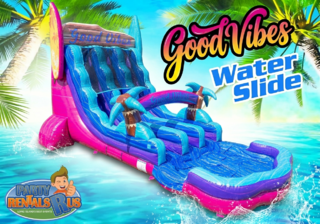
If you are on the fence between sizes, match the unit to your smallest riders, not the most daring. It is easier to keep older kids interested with music, lawn games, or a timed challenge than it is to make a too-tall slide safe for toddlers. If you routinely host neighborhood events, some companies offer loyalty rates on bounce house combo rentals, or package deals with tents, tables, and concessions under backyard party rentals. You also see flexibility on weekday pricing, especially at the start and end of summer.
When to choose professional attendants
Some events benefit from a pro on site. School fairs, block parties, or any event with more than 25 active riders at once stretches a parent’s bandwidth. Many companies offer trained attendants by the hour. They enforce rules without emotion, restart lines after pauses, and make the hard weather calls without family politics. If you opt for a dry morning and a wet afternoon, a pro will handle the conversion midstream while you handle guests.
Final thought: it is fun because it is structured
Kids do not need more adrenaline, they need the right amount in a predictable frame. Inflatable combos fascinate because they mix climbing, bouncing, and sliding. The safest parties I have seen are not quiet or stiff. They are boisterous but with a rhythm. The blower hums, the line pulses, feet land on mats, and big cousins wait their turn so smaller riders can own their five minutes. Pick a well-maintained inflatable combo with water slide from a reputable operator, anchor it like you mean it, post clear rules, and give one adult the whistle, figuratively or literally. You get smiles, photos you like, and no stories about near misses.
If you are browsing party inflatables for rent and weighing options, ask about the specific features that matter: anchoring points, slide height, wet kit attachments, and capacity by age. Whether you book local, look into a bounce house combo rental Long Island, or scan regional vendors for the best fit, the same principles apply. Safety is not a mood. It is a short list of smart choices that you decide before the first kid climbs the ladder.